
Resistance cables
Resistance (self-regulating) heating cables protect pipes against freezing, prevent ice from forming on roofs and in gutters, and can also be used to temper the ground. This section also contains the related HAKL range – electric water heaters, taps and hand dryers.
We will gladly advise you on both selection and installation – write to us using the contact form or by e-mail.
Would you like to know more? Take a look at our Knowledge Centre – Resistance Cables with expert guides and advice.
-
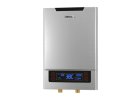
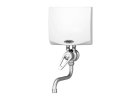
 Water heaters and taps|Unpressurised instant water heaters
-
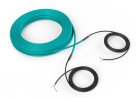
Underfloor heating|Heating cables|TC 10
-
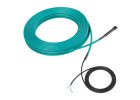
Underfloor Heating|Heating Cables|TCX 10
-
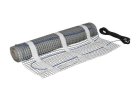
Underfloor Heating|Heating Mats - Raster|TFX 100
-
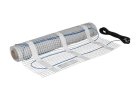
Underfloor Heating|Heating Mats - Grid|TFX 150
-
Underfloor heating|Heating mats - raster|TF 150
-
Water Heaters and Taps|Pressurized Instant Water Heaters|PL-T
-
Water Heaters and Taps|Pressurized Instant Water Heaters|MK1
-
Water Heaters and Taps|Pressurized Instant Water Heaters|MK2
-
Water Heaters and Taps|Pressurized Instant Water Heaters|MKX
-
Water heaters and taps|Pressurized instant water heaters|3-phase
-
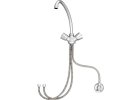
Water Heaters and Taps|Non-Pressurized Water Taps|Classic Taps
-
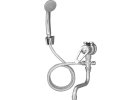
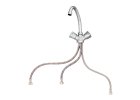
Water Heaters and Faucets|Pressureless Water Faucets|Lever Faucets
-
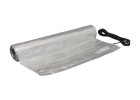
Floor heating|Heating mats - aluminium
-
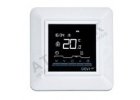
Underfloor Heating|Thermostats
-
Underfloor Heating|Installation Accessories
-
Water heaters and taps|SETS Instant water heaters + water taps|PM-B lever taps
-
Water Heaters and Faucets|SETS Instant Water Heaters + Faucets|PM-B Classic Faucets
-
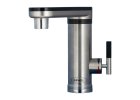
Water heaters and taps|Direct-heating taps
-
Water Heaters and Taps|Storage Water Heaters
-
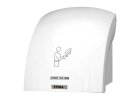
Hand dryers|Hand dryers
-
Water Heaters and Taps|Unpressurized Taps|Storage Taps
-
Water heaters and taps|SETS Instant water heaters + taps|MK lever taps
-
Water Heaters and Taps|SETS Instant Water Heaters + Taps|PL Classic Taps
-
Water heaters and taps|SETS Instant water heaters + taps|MK classic taps
-
Water Heaters and Faucets|SETS Instant Water Heaters + Faucets|PL Lever Faucets
-
Spare Parts|OB 340
-
Spare parts|BG 50-BG 120
-
Underfloor Heating|Insulation Boards
-
DEVIflex
-
DEVIsafe
-
accessories
-
Knowledge Center - Resistance Cables | ATRIA.SK






Product sorting
286 items total
List of products




–10 %
2,40 €
PRODUCT DESCRIPTIONThe cable protective sleeve together with the copper end piece...


When using resistance heating cables, you don't need to do as much calculating, since the cables are cut to length on site.
Resistance heating cables are fitted with a temperature-dependent resistive element placed between two parallel copper conductors. Once connected, current flows through the resistive element, which starts to heat up. As the element heats up, its electrical resistance increases, which causes the current to decrease and the heating output to drop.
 In cases where the air temperature is low, the element's resistance is also low, which will mean a high initial current load. This means the fuses must be sufficiently rated for this. In very cold regions, the starting current can be limited using a soft starter, a device that regulates the initial current load.
 If you want to reduce energy consumption, it is recommended to use a thermostat for cables longer than 3 m.
Frequently Asked Questions
- What cable output do I need to protect a pipe against freezing? For a typical outdoor pipe, a self-regulating cable with an output of 10–17 W/m is sufficient; for insulated indoor pipes, less is enough.
- Can the cable be shortened or extended on site? Yes, heating cables are supplied by the metre and cut to the exact length directly during installation; the connection is made using a connection kit.
- Is a thermostat needed? For cables longer than 3 m, a thermostat is recommended to avoid unnecessary energy consumption.
- Can heating cables also be used on roofs and gutters? Yes, on roofs, gutters and downpipes they prevent ice and ice dams from forming, and on pipes they protect against freezing and bursting.