
How long does an old low-temperature boiler last and when to replace it
How long does an old low-temperature boiler last and when to replace it
If you have an old low-temperature gas boiler at home that has already been running for fifteen, eighteen or even twenty years, sooner or later the question arises whether it's still worth trusting it for another heating season, or whether it's wiser to plan a replacement. An old boiler rarely "dies" overnight – usually small warning signs gradually appear that can be easily overlooked until they turn into a bigger problem in the middle of winter. In this article we'll look at what lifespan you can realistically expect from a gas boiler, what specific signs indicate that its end of life is approaching, and what you can do before you make a final decision to replace it.
Lifespan range depending on the quality of care.
Typical lifespan of a gas boiler
With regular servicing and normal operation, the lifespan of a gas boiler – whether it's an older low-temperature type or a more modern condensing model – typically ranges between 15 and 20 years. Some boilers, especially those from quality manufacturers with a consistently maintained service schedule, can reliably run even longer. However, this figure isn't fixed; it's more of a rough guideline that varies significantly depending on how the boiler has been cared for over the years.
The factors that shorten a boiler's lifespan the most include, above all, neglected regular servicing – an annual inspection and cleaning is not a formality, but genuinely extends the functional life of the burner, heat exchanger and other components. The second major culprit is contaminated heating water without a filter or sludge trap – dirt and sludge in the system settle in the heat exchanger over time and reduce both its efficiency and lifespan. The third factor is frequent pressure fluctuations in the system, which put strain on seals and joints, and finally hard water, which over the years builds up limescale on the internal surfaces of the heat exchanger – this gradually worsens heat transfer and forces the boiler to work harder than it should have to.
It's also important to realize that even if an older atmospheric or low-temperature boiler is still running without major faults, its efficiency typically ranges between 70 and 90%, most often around 84%. That means even a fully functional older boiler converts significantly less of every cubic metre of burned gas into heat than a modern condensing boiler, which achieves an efficiency of up to around 98%. The difference between 84% and 98% isn't just a number in a catalogue – in practice it shows up directly on your gas bill, season after season.
There's also a broader context to consider – the EU Ecodesign regulation (the so-called ErP directive) is gradually pushing the whole market toward condensing technology. For owners of older low-temperature and atmospheric boilers, this means that as the years go by, it can become increasingly difficult to source original spare parts or find a service technician who still specializes in an older type of boiler. Manufacturers are focusing their attention and parts production primarily on current condensing models, so the availability of service for older boilers is gradually narrowing.
Signs that it's time for a replacement
It's not always easy to tell whether something is just a minor everyday fault or a sign that the boiler is on its last legs. However, you shouldn't underestimate the following signs – if one of them appears, it's worth starting to think about a replacement. If several appear at once, replacement is usually worthwhile even before the next heating season.
- Frequent faults and repairs. If a service technician visits you several times a year and repairs keep recurring even after various components have been replaced, the boiler is entering a phase where individual parts are gradually reaching the end of their life at the same time.
- Visible corrosion or leaking water or flue gas. Rust on the casing, joints or inside the boiler, or any leak of water from the heat exchanger, is a serious sign – worn-out material can no longer be reliably repaired, only temporarily "patched up".
- Rising gas bills without a change in household consumption. If your heating habits and household size haven't changed, but your gas bills keep rising year over year, the boiler is probably losing efficiency faster than usual.
- Difficulty sourcing spare parts. If the service technician has to order a part weeks in advance, or the manufacturer no longer makes it, that's a clear sign that support for the given model is coming to an end.
- Boiler age over 15 to 20 years. Even without a visible fault, age alone is a reason to consider replacement – the risk of a sudden breakdown during the coldest part of the year increases with age.
- The boiler frequently faults out or restarts. Repeated error messages, flame failures, or the need for a manual reset several times a month suggest that the electronics or burner are already operating at the edge of their capabilities.
What to do before you decide
If your boiler is older but so far without any of the more serious symptoms from the list above, you don't need to rush into a replacement right away. One of the most effective and also cheapest measures you can take immediately is fitting a filter or sludge trap on the heating system. It catches the dirt and sludge that build up in the heating water over the years, directly reducing one of the main factors that shorten a boiler's lifespan – contaminated water without filtration. This simple investment can genuinely extend the life of a working boiler by several more years.

|
NANO HOT 3/4" - 1" 500 mcr water filter for heating systems, brass – a simple and inexpensive investment that catches dirt and limescale before they reach the boiler's heat exchanger, extending its lifespan and maintaining higher efficiency. Price from €65.50. |
However, neither a filter nor a sludge trap can solve the problem if the boiler is already outdated, worn out, or missing spare parts. If you're experiencing several of the symptoms from the previous chapter, water filtration will only slow down further wear, but it won't replace the actual need for a replacement boiler.
Recommended replacement
If you ultimately decide to go ahead with a replacement, a good choice is switching to a modern condensing boiler, which achieves an efficiency of up to around 98% – considerably more than the 70 to 90% typical of older low-temperature or atmospheric types. The difference in gas consumption will show up already during the first heating season.
|
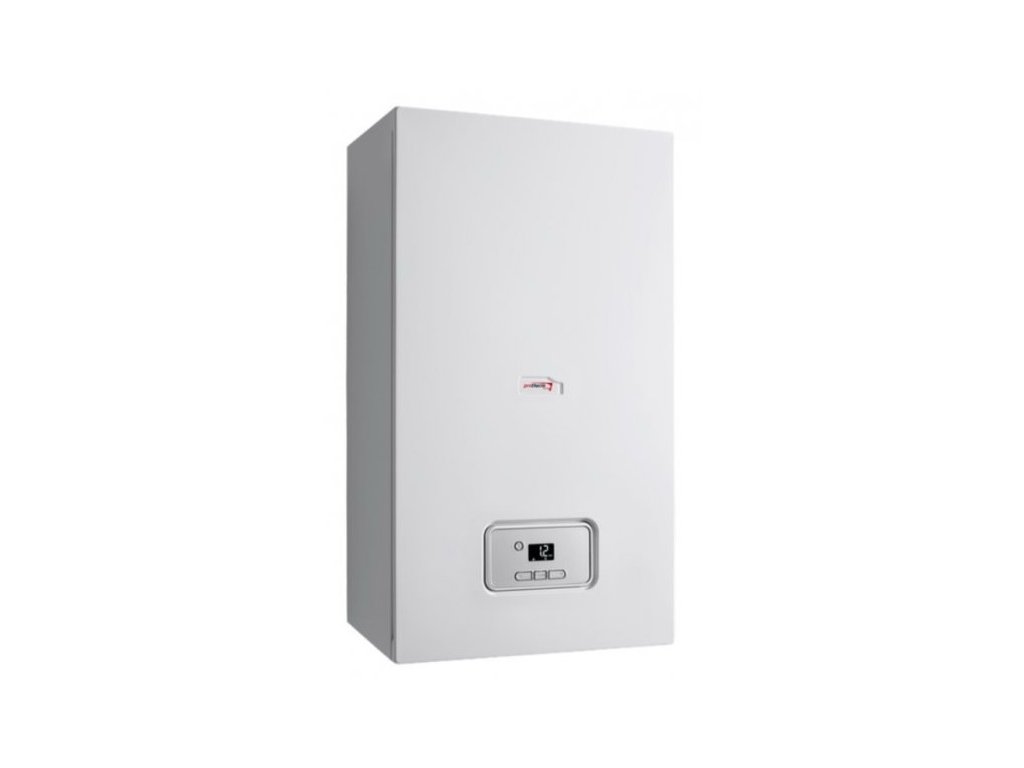
Protherm Gepard Condens 18/25 MKV – a condensing boiler with high efficiency, a compact design and proven reliability, suitable as a direct replacement for an aging low-temperature boiler in a typical household. Price from €1,322.00. |

|
BOSCH Condens GC2300iW 22/25 C – an alternative condensing boiler with a higher output range, particularly suitable for larger households or more demanding heating systems. Price from €1,472.06. |
The two most common causes of shortened lifespan.
Signs you shouldn't underestimate.
Recommended steps before a final decision.
Frequently Asked Questions
How long does a gas boiler last?
With regular servicing, a gas boiler's lifespan typically ranges between 15 and 20 years; some models with consistently maintained servicing can last even longer. The actual length depends mainly on the quality of the water in the system and how regularly it's serviced.
Is it worth repairing a 20-year-old boiler?
If it's a minor, inexpensive repair and the boiler otherwise runs without any other signs of wear, yes. But if repairs keep recurring, spare parts are hard to get, or there's visible corrosion, the repair is usually only a temporary fix, and replacement pays off more in the end.
What does it mean when a boiler frequently faults out?
Repeated error messages or flame failures usually indicate that the electronics, burner, or other key components are already operating at the limit of their lifespan. If this happens regularly, it's one of the clearer signs that you should consider a replacement.
Why does an old boiler use more gas than a new one?
An older low-temperature or atmospheric boiler achieves an efficiency of around 70 to 90% (typically around 84%), while a modern condensing boiler reaches up to around 98%. So even a fully functional old boiler converts a smaller share of the burned gas into heat than a new model.
Can the lifespan of an old boiler be extended?
Yes, to a certain extent. Regular servicing, fitting a filter or sludge trap to catch dirt in the heating water, and stabilizing the system pressure can slow down wear and extend the lifespan. However, they won't solve the problem if the boiler is already significantly worn out or spare parts are unavailable.
When is the best time to replace a boiler?
It's best to plan a replacement outside the heating season – in summer or autumn – when you have plenty of time for choosing and installing a new boiler without the pressure of a sudden breakdown in the middle of winter. If you're already seeing the wear symptoms described in this article, it's not worth waiting until the last minute.