
Service, Maintenance and Spare Parts for a Low-Temperature Boiler
Service, Maintenance and Spare Parts for a Low-Temperature Boiler
If you have an older low-temperature (classic, atmospheric) gas boiler at home, one that is no longer manufactured or sold today, that doesn't automatically mean you have to replace it. With regular maintenance and available spare parts, it can keep working reliably and safely for many more years. The key is knowing what regular servicing requires, which parts are worth keeping on hand or replacing preventively, and above all - when a repair stops making economic sense. This guide will help you understand routine maintenance of an atmospheric boiler, advise what to focus on during a service inspection, and show specific solutions if problems arise with water pressure in the system or with the quality of the heating water.
What an Annual Service Inspection Includes
A regular annual service inspection of a gas boiler isn't just a manufacturer recommendation - it's a legal requirement arising from regulations on the operation of gas appliances, and at the same time the cheapest insurance against costly faults and safety risks. During a visit, a service technician should go through several areas that together form a complete check of the boiler's condition:
Inspection and cleaning of the burner. Atmospheric burners gradually accumulate dust and combustion by-products over time, which worsens combustion quality, increases gas consumption and can lead to carbon monoxide formation. Cleaning the burner and nozzles is therefore a basic point of every inspection.
Inspection of the ignition and ionization electrode. A worn or dirty electrode causes ignition problems, frequent flame extinguishing or error messages. This is a minor but often addressed fault in older boilers.
Inspection of seals. Both rubber and fibrous seals in the flue path, on the exchanger and in the hydraulic part of the boiler lose elasticity after years of operation. Replacing them in time prevents leaks of flue gases as well as water.
Checking and topping up water pressure in the system. Most low-temperature boilers should operate at a pressure of approximately 1-2 bar (the manufacturer states the exact value). A pressure drop is one of the most common issues owners of older boilers encounter - we cover it in more detail below, also in the FAQ.
Cleaning the filter or sludge trap (if installed on the heating circuit) - it catches impurities and sludge from the piping that would otherwise clog the exchanger and pump.
Checking chimney draft. This is a point that requires special attention with atmospheric boilers - unlike condensing boilers with forced flue gas discharge via a fan, an atmospheric boiler relies exclusively on natural chimney draft. A clogged, damaged or incorrectly sized chimney can cause flue gases to be pushed back into the room, which is a serious safety risk. Checking the patency of the chimney and flue paths is therefore part of every annual inspection, and in many cases a separate chimney sweep inspection also addresses it.
We recommend arranging service with an authorized service technician of the given brand - for Protherm, the densest service network in Slovakia of all boiler manufacturers operates, since it is a Slovak manufacturer based in Skalica, today part of the Vaillant Group. Thanks to this, even with older models such as the Protherm Gepard or Tiger, you can rely on the availability of service and original parts.
Common Spare Parts and Accessories
Good news for owners of older Protherm boilers (typically the Gepard, Tiger and similar atmospheric models) is that thanks to the dense service network mentioned above, spare parts are commonly available even today, years after the given model stopped being sold. Common items that a service technician deals with during an inspection or repair include ignition and ionization electrodes, seals, expansion tank membranes, circulation pumps and pressure or temperature sensors.
Besides original service parts fitted directly by the technician, it's also worth thinking about accessories that extend the life of the whole heating system and reduce the number of faults between inspections. The two most frequently addressed topics with older boilers are contaminated heating water and a drop in system pressure.

|
NANO HOT 3/4" - 1" 500 mcr Water Filter - a brass filter at the water inlet to the heating system catches mechanical impurities and deposits that accumulate over time in older piping and clog the exchanger, pump and thermostatic heads. In older boilers it significantly reduces the risk of faults between service inspections and extends the life of the circulation pump. Price from €65.50. |

|
Pressure Expansion Tank IVAR.ER 12 (12 l) - if system pressure won't hold even after repeated topping up and the technician determines that the cause is a worn membrane in the original expansion tank, this 12-liter tank is a common solution for smaller and medium-sized heating systems with an older low-temperature boiler. It prevents frequent pressure drops and reduces wear on the boiler from topping up water. Price from €47.73. |
Both of these components can be fitted without any problem by a regular service technician during a standard inspection - so it's not an intervention that would require replacing the entire boiler.
Steps for deciding between repair and replacement.
When Repair Is No Longer Worth It
Even with available parts and reliable service, every older boiler eventually reaches a point where further repair stops making economic sense. A typical signal is a cracked or leaking heat exchanger - it's the most expensive component of the boiler and its replacement usually costs an amount close to, or even exceeding, the price of a new boiler. Equally warning signs are repeated faults within a short period (for example several times a year), rising gas consumption with no apparent cause, or a situation where the manufacturer has stopped making parts for the model and the service technician has to search harder for spare parts.
In such a case, it's worth considering two different paths depending on your goal.
If you want to seize the opportunity and reduce heating costs, the solution is switching to a condensing boiler, which can also use heat from the flue gases and achieves significantly higher efficiency than an atmospheric low-temperature boiler:
|
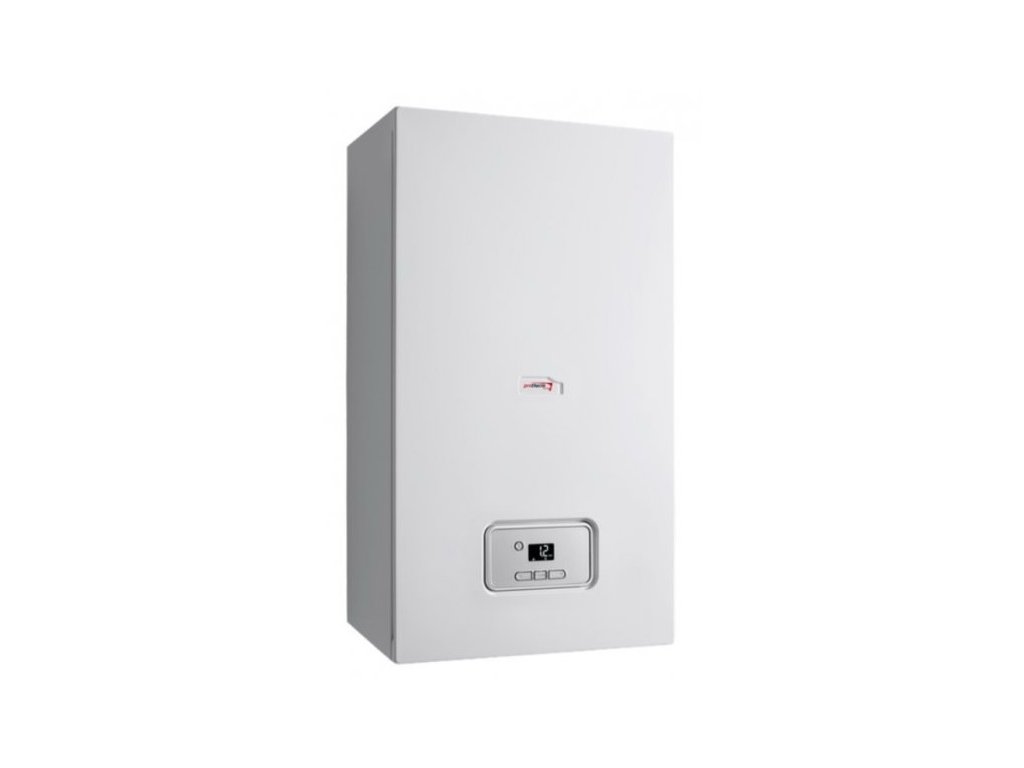
Protherm Gepard Condens 18/25 MKV - the condensing successor to the popular Gepard line, a suitable replacement for households wanting to move from an atmospheric boiler to more economical technology without changing brand, whose parts and service they already know well. Price from €1,322.00. |
If, on the other hand, you need to replace the boiler quickly, for example due to a breakdown, and the piping or chimney in your house is not adapted for condensing technology (for example there's no way to drain condensate or the chimney isn't suitable), there is also a direct replacement with the same type of low-temperature boiler, which keeps compatibility with the original piping:
|
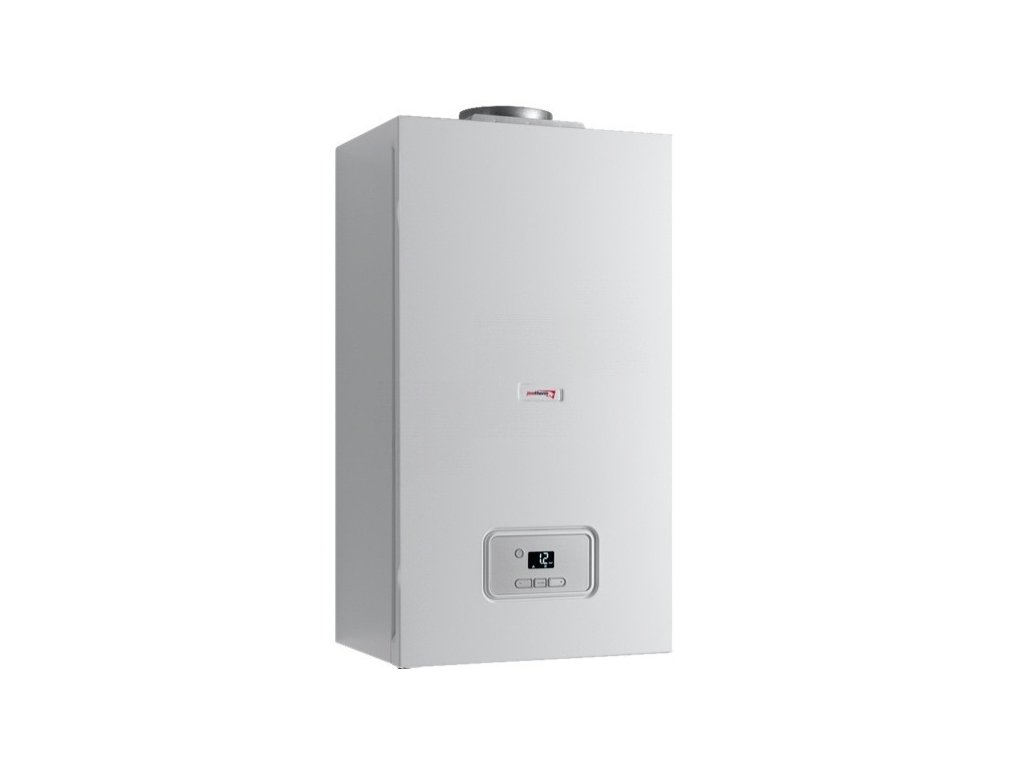
Protherm Gepard 18/24 MOV (Low NOx) - a classic atmospheric low-temperature boiler, suitable as an identical replacement where it's necessary to keep the original chimney connection and piping without structural modifications. Price from €1,195.02. |
We recommend consulting the choice between these two paths directly with the service technician during the inspection - they can best assess the condition of the chimney, the space available, and whether condensing technology is actually worthwhile in your case.
Main points of the annual service inspection.
Parts most often handled by a service technician.
A general guide for deciding on a major repair.
Frequently Asked Questions
How often does a gas boiler need to be serviced?
A service inspection once a year is both recommended and legally required. For older atmospheric boilers, it's worth keeping strictly to this interval, since burner, seal and electrode wear shows up faster in them.
Can I still get spare parts for an old Protherm (e.g. Gepard or Tiger)?
Yes, for Protherm models this is usually problem-free - the brand has the densest service network in Slovakia, being a domestic manufacturer based in Skalica (today part of the Vaillant Group), and common parts such as electrodes, seals or pumps are available even years after production of the specific model ended.
What should I do if pressure drops in the boiler?
First check and, if needed, top up the pressure to the value recommended by the manufacturer (typically 1-2 bar). If pressure keeps disappearing repeatedly, the cause is usually a micro-leak in the system or a worn expansion tank membrane - in that case the solution is replacing the expansion tank, for example with an IVAR.ER 12.
Why does my boiler extinguish more often or fail to ignite?
The most common cause is a dirty or worn ignition or ionization electrode, or a dirty burner. This is a routine service task that a technician handles during an inspection.
Is chimney cleaning part of boiler service?
Checking the chimney's patency is part of an atmospheric boiler's service inspection, since it relies on natural draft. However, actual chimney cleaning and inspection is usually carried out by a chimney sweep, not the boiler service technician - it's worth scheduling both tasks around a similar date.
How do I know a boiler repair is no longer worth it?
The main signal is a cracked or leaking heat exchanger, repeated faults several times a year, or a situation where the service technician already struggles to source the needed parts. In that case it's worth considering replacement with a new boiler - a condensing one, if the piping and chimney allow it, or the same type of low-temperature boiler if a quick, compatible replacement is needed.
Can an older low-temperature boiler be replaced with a condensing one without modifying the piping?
In most cases yes, since condensing boilers commonly work fine even with the higher heating water temperatures of older radiator systems, though with somewhat lower efficiency than with low-temperature underfloor heating. However, the chimney usually needs to be adapted or replaced with one suitable for discharging flue gases with condensate - we cover this topic in more detail in the article about switching to a condensing boiler below.