
The Most Common Resistance Cable Faults
A resistance heating cable is one of the most reliable heating elements you'll find in a home - it has no moving parts, needs no motor servicing or filter changes, and with correct installation lasts 15 to 25 years without trouble. Even so, we regularly come across faults, most often with cables under tiles, in gutters, or for de-icing outdoor surfaces. Interestingly, the vast majority of faults aren't caused by the cable itself ageing, but by an installation mistake or mechanical damage that occurred years before the problem shows up. In this article we go through the most common faults, how to recognise them, how to diagnose them without needlessly digging up the whole floor, and when it's worth repairing versus when it's better to replace the whole section.
Overview of the most common resistance cable faults
Years of service calls and customer discussions show a clear pattern - resistance heating cable faults can be split into five main groups. They're not evenly distributed; some occur far more often than others, and knowing these odds can save you time when diagnosing - if you know that three out of four faults are either a broken core or a current leak, direct your first measurement there.
1. Broken conductive core (mechanical damage) - makes up roughly 35% of all faults we deal with. This is a physical break in the heating conductor, most often caused by drilling through it during later building work (an anchor into a wall, drilling into the floor for furniture), a sharp bend during installation below the minimum bend radius, or damage from a spade/hoe for cables laid shallow in the ground (de-icing paths, eaves drains). The result is that the affected section, or the whole cable, stops heating completely.
2. Short circuit or current leakage to earth - roughly 30% of cases. This arises from damage to the insulation without the conductor being fully broken - most often caused by moisture getting into a damaged sheath, or insulation degrading from prolonged overheating (for example when the cable is covered by thermal insulation that wasn't accounted for in the design, or bundled with other cables without spacing). It shows up as the residual current device (RCD) repeatedly tripping.
3. Thermostat or temperature sensor failure - about 20% of cases. The cable itself works fine, but the system doesn't heat, or heats incorrectly, because the control element has failed - most often a sensor buried in the ground damaged by moisture, or an electronic or mechanical fault in the thermostat itself. This is good news for the customer, since it means replacing a cheaper, easily available part, not digging in the ground.
4. Corrosion and loose connectors/terminations - roughly 10% of cases. Connector and end-termination kits for heating cables are exposed to moisture and must be sealed using heat-shrink or potting technology. If even a small mistake is made during installation (insufficient stripping, missing gel, a cracked heat-shrink sleeve), moisture gets in and the connector gradually corrodes until a high contact resistance or a complete break results.
5. Other causes (rodents, UV degradation, manufacturing defect) - the remaining roughly 5%. This includes rodents gnawing through the outer sheath on cables routed through unprotected spaces (an attic, a utility room), UV degradation of the outer sheath on cables left uncovered on a roof for a long time, or, in rare cases, a manufacturing defect that shows up already at the first connection.
The chart below shows this split visually - it's a good guide for where to direct the first steps of diagnosis.
How to recognise each fault by its symptoms
Before you reach for a measuring instrument, a lot can already be read from how the system behaves. If the cable doesn't heat at all and the thermostat's operation indicator doesn't light up at all, it's very likely a broken core or a power failure upstream of the thermostat - in that case the cable's resistance measures as infinite (an open circuit). If, on the other hand, the system switches on but the residual current device always trips within a few seconds to minutes, it's almost always a current leak to earth through damaged insulation - never ignore a device that keeps tripping, and never force the system on through a device with a higher sensitivity threshold, since this is a safety issue, not a quirk of the wiring.
If the system heats but unevenly - part of the area is warm, part cold - this is usually either a local break in just one branch of a multi-circuit floor system, or a poorly placed thermostat sensor measuring the temperature somewhere that doesn't actually represent the rest of the area. If the system doesn't heat at all, but electricity is demonstrably reaching the circuit (the breaker is on, the thermostat is powered) and the cable's resistance measured with an ohmmeter matches the catalogue value, the cause is almost always a fault in the thermostat or its sensor, not the cable itself.
Outdoor gutter and roof anti-icing systems are a separate case - there, faults show up differently because it's seasonal operation. A typical scenario: the system worked fine last winter, but at first start-up in autumn it doesn't heat at all, or trips the device. The most common cause here isn't a fault that developed over summer (the cable doesn't age faster while idle), but mechanical damage during summer roof maintenance, gutter cleaning, or facade work, when the cable was simply forgotten about and someone caught it with a rake, a ladder or a tool.
Diagnosis - how to verify and locate a fault
Basic diagnosis doesn't require expensive equipment and a handy DIYer can manage it, but if a current leak to earth is suspected, we recommend leaving the measurement to an electrician - it involves a higher test voltage and it's a safety matter. The procedure that has proven itself in practice has five steps that build on each other, so you always rule out the simpler, cheaper causes first.
A simple physical relationship between the cable's output, voltage and resistance applies when measuring the conductive core's resistance (P = U²/R). You'll find the specific catalogue value for your cable in the manufacturer's technical sheet, based on length and output per metre - it's important to compare the measured value with the catalogue value, not rely on a guess. If the meter shows "OL" (over limit, infinite resistance), the core is broken. If the measured value is significantly lower than it should be, that's a partial short between the conductors.
Equally important, but often overlooked, is measuring the insulation resistance. While the core resistance tells you whether the cable conducts current along the right path at all, the insulation resistance tells you whether the insulation between the heating conductor and the protective braid/earth is intact. The table below shows the rough values used in practice.
These bands are approximate and conservative; the exact threshold values for a specific product can always be found in the manufacturer's technical sheet. If you measure a value in the 1 to 20 MΩ range, the cable is usually still working, but we recommend monitoring it and planning a replacement for the following season - moisture in damaged insulation tends to get worse over time, not better.
Repair, or replace? How to decide
This is the question we deal with most often with customers. The answer depends on three factors: the extent of the damage, how accessible the fault location is, and the age of the system. A resistance cable can only be repaired with a connector (a repair kit) at a spot outside the heating section itself, since the connector represents a cold section with no heating effect - if the fault is right in the middle of the heated area, a connector repair there will create a permanent cold spot on the floor or roof.
For systems older than 15 years, we also recommend considering replacing the whole cable even if the fault is local and a repair would be technically possible - if one section of the cable has degraded from moisture or thermal stress, it's likely the rest of the cable is in a similar state, and another fault will turn up elsewhere in a season or two. In that case, replacing the whole cable with a new one usually works out cheaper in the long run than repeated partial repairs, each requiring the floor or roof to be opened up again.
Prevention - installation mistakes that cause faults
Since we noted at the start that most faults originate in installation or mechanical damage, it's worth paying attention to prevention. The most common mistakes we see during inspections include: laying the cable without a protective conduit or mesh in spots where drilling or digging might later occur; bending the cable to a smaller radius than the manufacturer specifies (usually at least four times the cable's diameter when cold); missing or improperly sealed connectors; and laying the cable directly on thermal insulation without a separating layer, which causes local overheating.
Proper documentation after installation is also important - photograph the cable layout before pouring the screed or backfilling with soil, and keep the photos together with the inspection report. Then, for any future building work (retiling, a new fence, facade work), you know exactly where not to drill or dig, avoiding most of the mechanical damage that makes up the largest share of faults.
It's equally important to always make sure the system is protected by a dedicated residual current device with a 30 mA sensitivity, used exclusively for the heating cable. If it shares a device with other appliances, repeated tripping is harder to attribute to the cable, and diagnosis takes longer, since the other connected equipment has to be ruled out first.
When it's worth dealing with other electric heating elements in the home too
Similar fault mechanisms - corroded connections, insulation degrading from moisture, thermal stress - also apply to other electric heating equipment in the home, for example electric water heaters. If you're currently dealing with a resistance cable fault and are also considering renewing an older electric water heater in the same home (they're often a similar age and similarly worn), it's worth also looking at quality pressure water heaters from HAKL, which have proper corrosion protection and a long track record on the Slovak market.
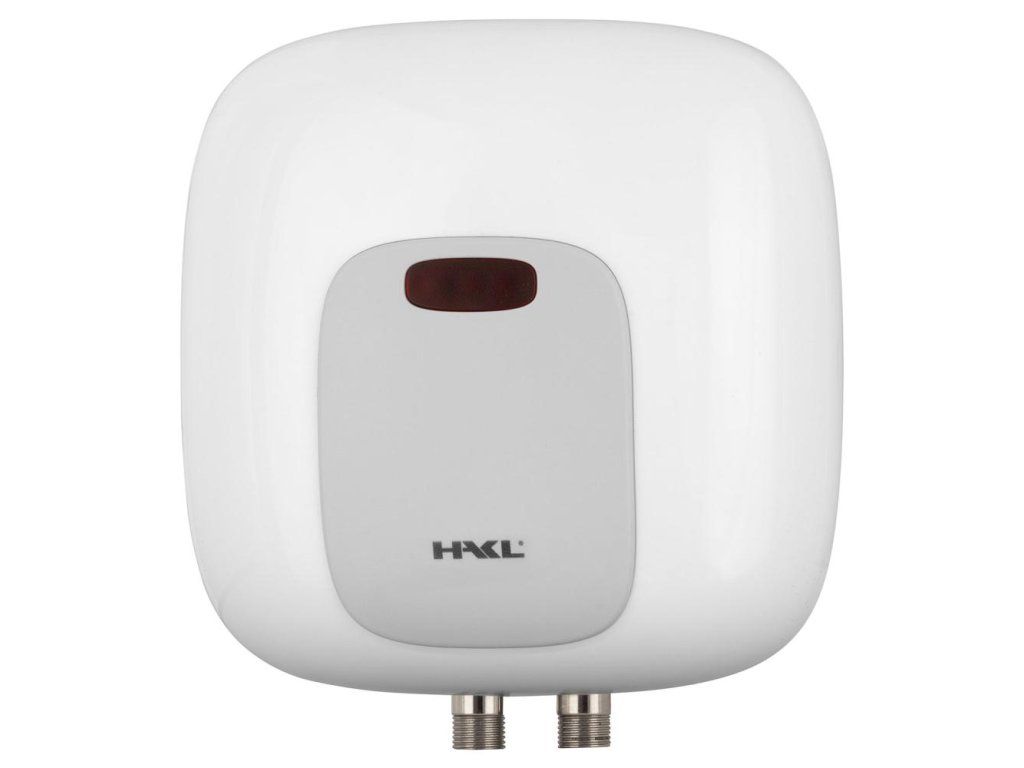 |
HAKL PL 3.5kW water heater - a smaller pressure water heater suitable, for example, as a supplementary hot water source for a bathroom or kitchenette. Just as with resistance cables, good-quality corrosion protection extends the appliance's service life here too. Price from EUR 95.94. |
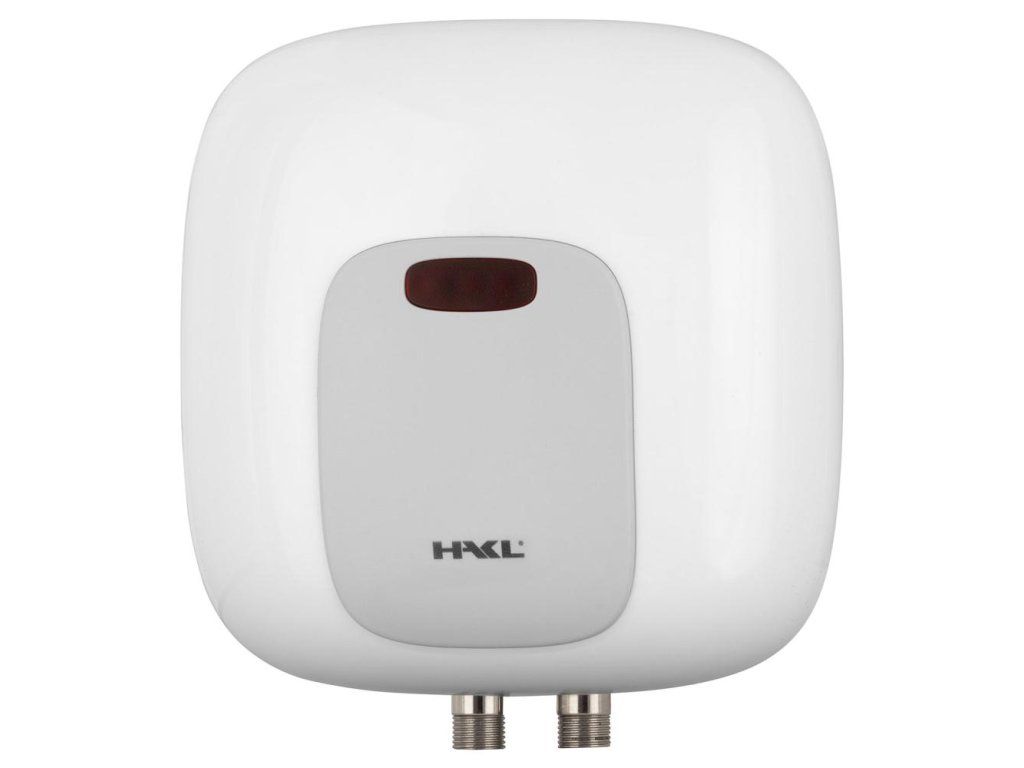 |
HAKL PL 4.5kW water heater - a more powerful variant suitable for a household with higher hot water demand, for example if you're renewing your heating system at the same time as a renovation and want a reliable hot water source without the risk of the same kind of faults described above for cables. Price from EUR 95.94. |
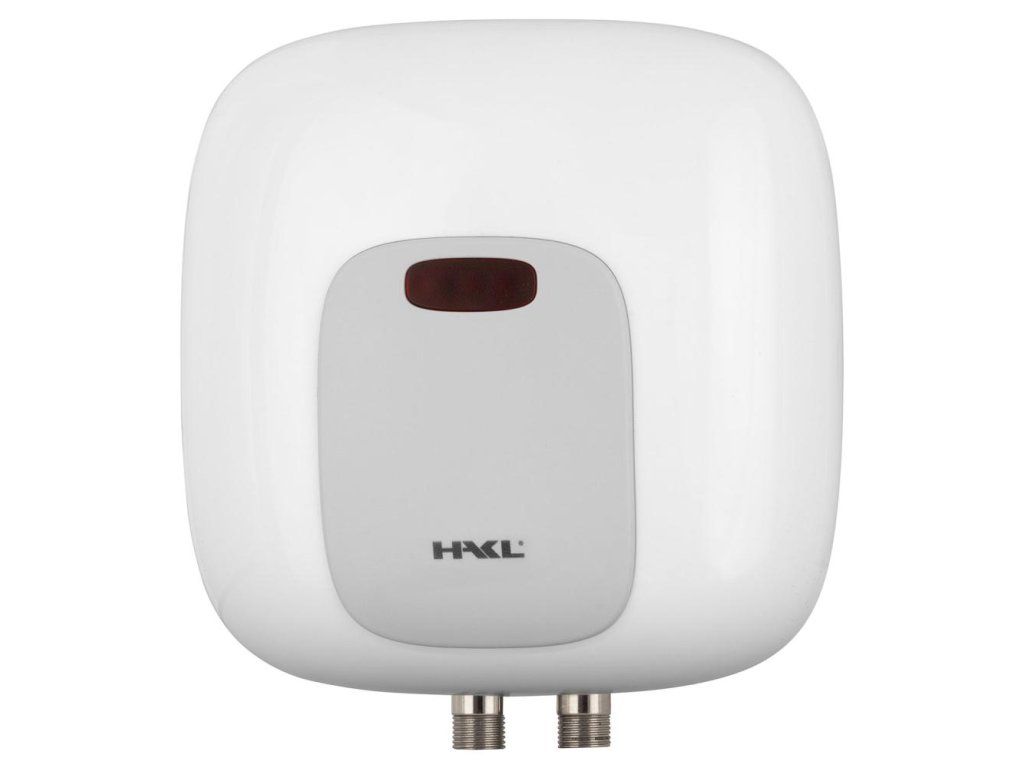 |
HAKL PL 5.5kW water heater - the most powerful in the range, suitable for larger households or higher simultaneous hot water demand. If you're already investing in repairing or replacing a heating cable, it's a good opportunity to also check the condition and age of other electrical appliances in the utility room. Price from EUR 95.94. |
When to call an electrician and when you can manage yourself
A handy DIYer, even without an electrical qualification, can manage a visual check, checking the protection, and a rough core resistance measurement with a multimeter - this is a safe, low-voltage measurement on disconnected equipment using an ordinary multimeter. But as soon as you get to measuring insulation resistance with a megohmmeter (working with a test voltage of 500 V or more), any work on the fixed wiring, or replacing a cable connected to fixed wiring, we recommend calling in an electrician with inspection qualifications. After replacing a cable or any major intervention, an inspection of the electrical installation is also required, which is a legal requirement, especially for insurance claims and when selling a property.
It's also worth stressing that if a residual current device keeps tripping, replacing it with a less sensitive one, or taking it out of service, is never the right solution - it's a safety device protecting against electric shock, not an annoying part to bypass. If the device trips, the system needs to be disconnected and the fault fixed, not worked around.
A practical example - a de-icing cable on a roof
To illustrate what the whole procedure looks like in reality, here's a simple but typical case from practice. A customer reported that the gutter de-icing cable on their house's roof had stopped working in autumn - on first start-up after summer, it tripped the residual current device within a few seconds. The system had worked fine for the previous three winters.
The first step, a visual check, showed that the roof covering had been replaced during summer along the section where the cable runs to the gutter. The second step, measuring the core resistance, showed a value close to the catalogue figure - so the core wasn't broken. The third step, measuring the insulation resistance, showed a value below 0.3 MΩ, clearly confirming a current leak to earth through damaged insulation. Since the exact fault location wasn't visually obvious (the damage was probably caused while handling the roof covering, and the cable wasn't torn, just compressed and scraped), a thermal camera was used for the fourth step - after briefly connecting the system through an isolating transformer for testing, a slightly different temperature spot showed up on the surface roughly 40 cm from the gutter. Uncovering that specific spot confirmed mechanical damage to the cable sheath, exactly where a ladder had been leant during the roof covering work.
Since the fault was located outside the heated section itself (on the supply run just before it enters the gutter), the solution was a repair with a suitable connector, not replacing the whole cable. The whole job, including locating the fault, took under two hours, compared with the customer's original worry that a large part of the roof system would need to be dismantled. This case illustrates well why it's important to follow the order of the steps - without the insulation resistance measurement, it could have been wrongly concluded that the core was broken (since the system didn't work at all), and a needless replacement of the whole cable would have been considered.
Frequently Asked Questions
Can a resistance cable be repaired myself, without an electrician?
You can manage the basic diagnosis yourself (a visual check, measuring the core resistance with a multimeter on disconnected equipment). We recommend leaving the actual connector repair or replacing a section of cable, as well as any insulation resistance measurement, to an electrician - this is work on fixed wiring, and an inspection is required afterwards.
Why does the residual current device only trip on this one heating circuit?
If the device trips exclusively when a specific heating cable is switched on, it's almost always a current leak to earth caused by damaged insulation (moisture, mechanical damage, overheating). Don't keep forcing the system back on - leave it disconnected and have the fault diagnosed.
How long does a resistance heating cable last without a fault?
With correct installation and no mechanical damage, the typical service life is 15 to 25 years. Most faults we come across aren't caused by the material ageing, but by mechanical damage or an installation mistake that only shows up later.
Can a fault be located precisely without breaking up the whole floor or roof?
Yes. Once a fault has been confirmed by measurement, a reflectometer (which measures the distance to the fault using a pulse sent into the cable) or a thermal camera, which shows a temperature difference on the surface at the fault location, is used for precise locating. This means only a small, precisely defined section of floor or roof needs to be opened up.
Is it worth repairing an older cable with a connector, or better to replace it outright?
For systems older than 15 years and a fault directly in the heated area (not outside it), a complete replacement is usually the better option in the long run - it reduces the risk of another fault a few seasons later and saves you from repeatedly opening up the same area.
Can an incorrectly placed thermostat cause a cable fault?
An incorrectly placed or damaged thermostat sensor doesn't cause a fault in the cable itself, but it can mimic its symptoms (uneven heating, the system not switching on even though the cable works). That's why measuring the cable's resistance is always the first diagnostic step - until that's ruled out, there's no point replacing the thermostat blindly.
Related topics
- How to choose a heating resistance cable
- Installing a resistance cable
- Maintenance and service life of resistance cables
- Thermostats and control for resistance cables
You'll find the full range in the main category Resistance cables.
Have a question about this topic?
Not sure whether it's a cable fault, a thermostat fault, or something else? Write to us - we're happy to help you find the right solution.