
Thermostats and Control for Resistance Cables
Thermostats and control for resistance cables
A resistance heating cable is only half of the solution. The other, often underrated half is the thermostat and control, which decides when and for how long the cable actually runs. The very same metre of cable can, with poor control, use two to three times more energy than the same cable managed by a quality thermostat with the right sensor. For floor heating, roof and gutter de-icing, pipe frost protection and process heating alike, control goes hand in hand with choosing the cable itself - and in practice it's the control that most often decides whether operation is cheap and trouble-free, or expensive and full of endless complaints.
In this article we go through the types of thermostats and sensors available, how they differ depending on the cable's purpose, what to watch out for when wiring them up, and the mistakes we see most often in practice. We draw on common situations we encounter with customers and in product discussions - not theory, but real-world operation.
Why the thermostat decides most of your satisfaction with the system
A resistance cable on its own is a simple element - a resistance conductor that converts electrical energy into heat as current passes through it. Without control, a cable would simply heat continuously once connected to the mains, for as long as it stayed connected. In practice that's only usable for very specific, temporary applications (for example short-term tempering while pouring concrete). In every normal installation - floor heating, roof de-icing, pipe protection - you need something or someone to switch the cable on and off according to actual need.
A thermostat performs three basic jobs at once. First, it maintains the desired temperature without you having to control the cable manually. Second, it protects the system from overheating - this is critical especially for floor heating, since most floor coverings (laminate, vinyl, some adhesive-laid tiles) have a specified maximum surface temperature that must not be exceeded. Third, and often the most underestimated point in practice, it directly determines running costs. The difference between a cheap bimetallic thermostat and an electronic thermostat with a quality sensor can mean a difference in consumption of tens of per cent a year for a typical bathroom with a floor cable.
For de-icing applications (roofs, gutters, outdoor pipes), the situation is even more pronounced, because without proper control the cable runs virtually non-stop all winter, while the actual need for heating (i.e. frost and precipitation occurring at the same time) represents only a fraction of that time.
Types of thermostats for resistance cables
On the market we commonly come across four categories of control, which differ in precision, features and price. Listed from simplest to most sophisticated:
1. Mechanical (bimetallic) thermostat
The simplest and cheapest type. It works on the principle of a bimetallic strip that bends as the temperature changes and mechanically opens or closes a contact. Control precision is roughly ±2 °C, which for floor heating means noticeable swings in surface temperature. The advantage is simplicity, reliability and low price; the disadvantage is lower precision and the absence of any extra features (a schedule, remote control, precise overheat cut-off).
2. Electronic thermostat with an air (room) sensor
Measures the air temperature in the room and controls the cable accordingly. Precision is around ±0.5 °C. This configuration is common especially for resistance cables acting as a supplementary (not main) heat source, for example topping up heat in a bathroom. The downside is that with floor heating it doesn't respond directly to the floor temperature, so a change in outside conditions (a draught, an open window) can cause a delayed reaction from the system.
3. Electronic thermostat with a floor/surface sensor
Measures the temperature directly at the point where the cable is installed - i.e. in the floor layer or on the surface of a pipe/gutter. Precision reaches roughly ±0.3 °C, and above all it reacts much faster and more accurately to the actual state of the heated element. For floor heating, this is also a safety feature - the thermostat can switch the cable off before the surface temperature exceeds the covering's limit.
4. Wifi/smart thermostat with scheduling and additional sensors
The most sophisticated category. Besides temperature, it can also work with a time schedule (for example a lower temperature overnight), remote control via a mobile app, and for de-icing applications also a humidity/precipitation sensor, which triggers the cable only when there's frost AND moisture or snow at the same time. This combination (temperature + humidity) is exactly why smart de-icing solutions have significantly lower consumption than a simple thermostat that only responds to temperature.
The chart below shows a rough energy saving for each type of control compared with operation without any automatic control at all (i.e. compared with manual switching on/off or continuous operation), as we commonly see when comparing real-world installations:
As you can see, the difference between the simplest and the most sophisticated solution can amount to more than a third in running cost savings. For a resistance cable with, say, a 1,000 W power draw running during the heating season, this difference amounts to tens of euros a year - and for de-icing applications with higher power draw, to even larger sums.
Temperature sensors - where and how to place them
The thermostat itself is only the control unit - the sensor that feeds it input data plays the key role. For resistance cables we most often come across three types of sensor:
An air (room) sensor is built directly into the thermostat body or on a short lead, and measures the surrounding air temperature. Suitable especially where the cable is a supplementary heat source and the main criterion is the room temperature, not the floor surface temperature.
A floor (in-screed) sensor is placed directly into the floor structure, usually in a protective sleeve between the cable loops, so that it can be pulled out and replaced without breaking up the floor if it fails. This is the standard for floor heating - the thermostat then controls based on the actual temperature at the cable's location, not the air in the room.
A surface sensor for outdoor applications is fixed directly to a pipe, into a gutter, or on a roof covering, combined with a humidity or precipitation sensor. This combination is typical for de-icing systems - the thermostat monitors not just temperature but also whether it's actually raining, snowing or damp, and switches the cable on only when both conditions are met at the same time.
A common mistake we see in practice is placing the floor sensor too close to the edge of the room (for example near a cold wall or under a window), where the temperature is systematically lower than in the middle of the room. The thermostat then "believes" the room is colder than it actually is, and the cable heats needlessly for too long. The recommended placement is within one third of the room's area from its centre, away from direct sunlight and away from furniture standing directly on the floor without ventilation underneath.
The diagram below shows a typical control chain wiring for floor heating with a resistance cable:
Current flows from the mains through the circuit breaker and residual current device to the thermostat, which switches the power to the cable itself on or off based on data from the floor sensor. A residual current device with a 30 mA tripping current is a mandatory part of the installation in damp areas (bathrooms) and shouldn't be omitted even for a "temporary" connection.
De-icing thermostats - specifics for roofs, gutters and pipes
Control for de-icing applications differs in principle from control for floor heating. Whereas the goal with a floor is to maintain a specific comfortable temperature, with de-icing gutters, roofs and outdoor pipes the goal is to prevent ice forming exactly when there's a risk of it - and otherwise to leave the cable switched off, even in frost, as long as it isn't damp or snowing at the same time.
This is why a combined temperature and humidity sensor (or a direct precipitation sensor) is recommended for de-icing systems, rather than a standalone thermostat that only reacts to temperature. Let's illustrate this with a specific case: a 20-metre gutter fitted with a resistance cable rated at 30 W/m, i.e. a total power draw of 600 W. The heating season, during which the temperature drops below freezing, lasts roughly 90 days (2,160 hours).
If the cable ran continuously throughout that whole period (i.e. controlled only by a simple thermostat set to "switch on below 3 °C"), consumption would reach roughly 1,300 kWh per season. If, however, the same cable is controlled by a combination of temperature and humidity sensors, triggering it only when there's frost AND precipitation at the same time (which, under real Central European climate conditions, represents roughly 25-30% of the total frost period), actual consumption drops to roughly 350-400 kWh per season.
A difference of nearly 1,000 kWh per season on a single 600 W gutter shows why investing in a better sensor for de-icing systems usually pays for itself in the very first winter. For larger areas (a whole roof, several downpipes, longer sections of pipe), this difference multiplies.
An important note on placing the humidity/precipitation sensor - it must be positioned so it actually detects real precipitation (typically directly in the gutter or at an exposed spot on the roof), not under an overhang or somewhere snow and rain don't actually reach. An incorrectly placed sensor is one of the most common reasons a de-icing system "doesn't work" even though the cable and thermostat are both fine - the problem is simply that the sensor doesn't register that it's snowing outside.
Thermostats for floor heating with a resistance cable - what to look for when choosing
When choosing a thermostat for floor heating, we recommend checking these parameters:
Maximum switching current. The thermostat must be able to handle the total power draw of the installed cable. Standard thermostats for home installation handle up to 16 A (i.e. up to roughly 3,680 W at 230 V), which is enough for a typical bathroom or a smaller room. For larger areas or multiple circuits, you need to plan for either a power relay or several thermostats split by zone.
Sensor type and lead length. The standard lead length for a floor sensor is 2-3 metres - for larger rooms or an unusual distribution board location, you'll need to plan for an extension or choose a thermostat with a longer sensor lead.
Ability to limit the maximum floor temperature. For more sensitive coverings (laminate, vinyl, wood), it's essential that the thermostat can limit the maximum surface temperature regardless of the set room temperature - i.e. a combined "air + floor with a limit" mode.
Aesthetics and placement. A thermostat is usually mounted in the wall next to the light switch, at the same height and with a similar design frame - when renovating a bathroom, it's practical to choose a thermostat compatible with the existing switch range.
Comprehensive heat control in the home - resistance cable and water heating
The thermostat on a resistance cable isn't the only place in the home where control directly determines running costs. The same principle - precise measurement and automatic control instead of manual switching - also applies to electric hot domestic water heating. If you're already dealing with floor heating or de-icing a bathroom and are also considering water heating at the same time, it's worth looking at electric water heaters with their own temperature control, which work on a similar principle to a quality thermostat on a resistance cable - i.e. maintaining a precisely set temperature without unnecessary overheating.
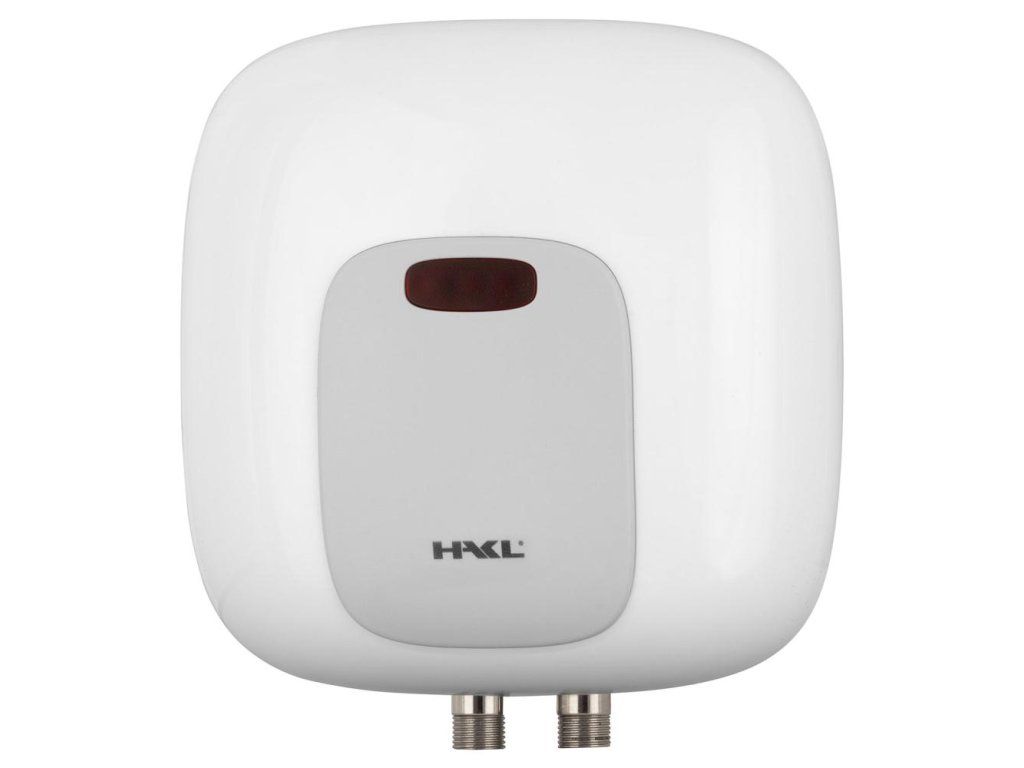 |
HAKL PL 3.5kW water heater - a compact electric heater with its own precise temperature control, suitable for a bathroom or under a sink where you're already dealing with floor heating using a resistance cable and want to keep water heating under control too. Price from EUR 95.94. |
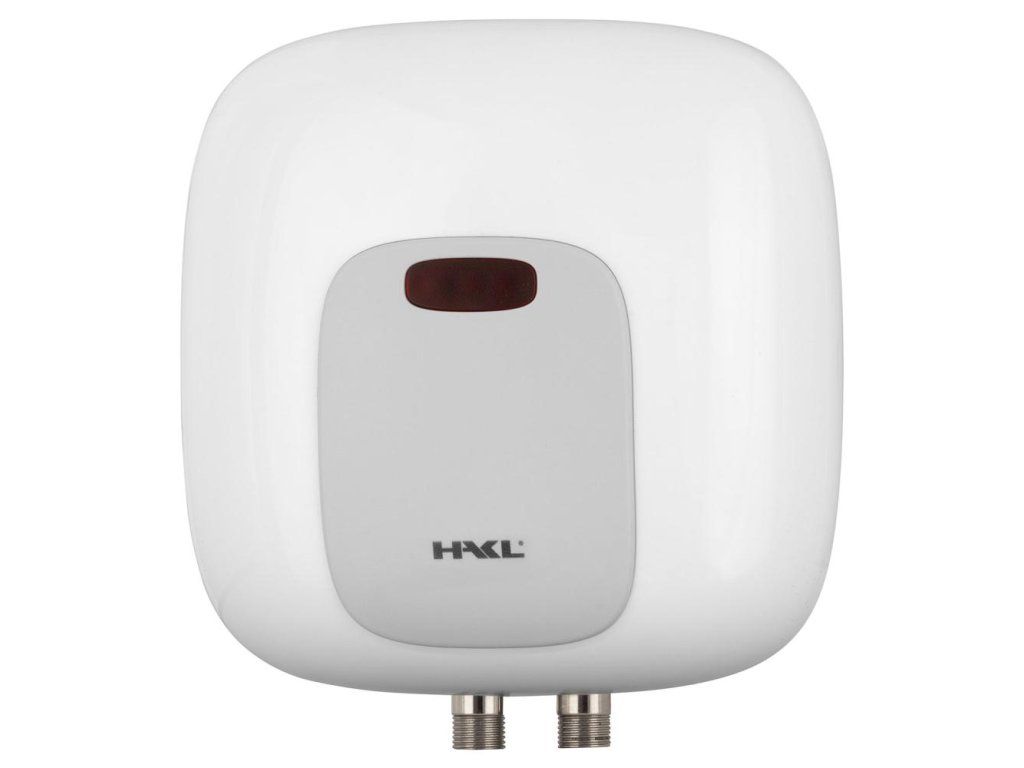 |
HAKL PL 4.5kW water heater - a more powerful version for households with higher hot water demand, again with its own precise temperature control instead of a simple on/off mode. Price from EUR 95.94. |
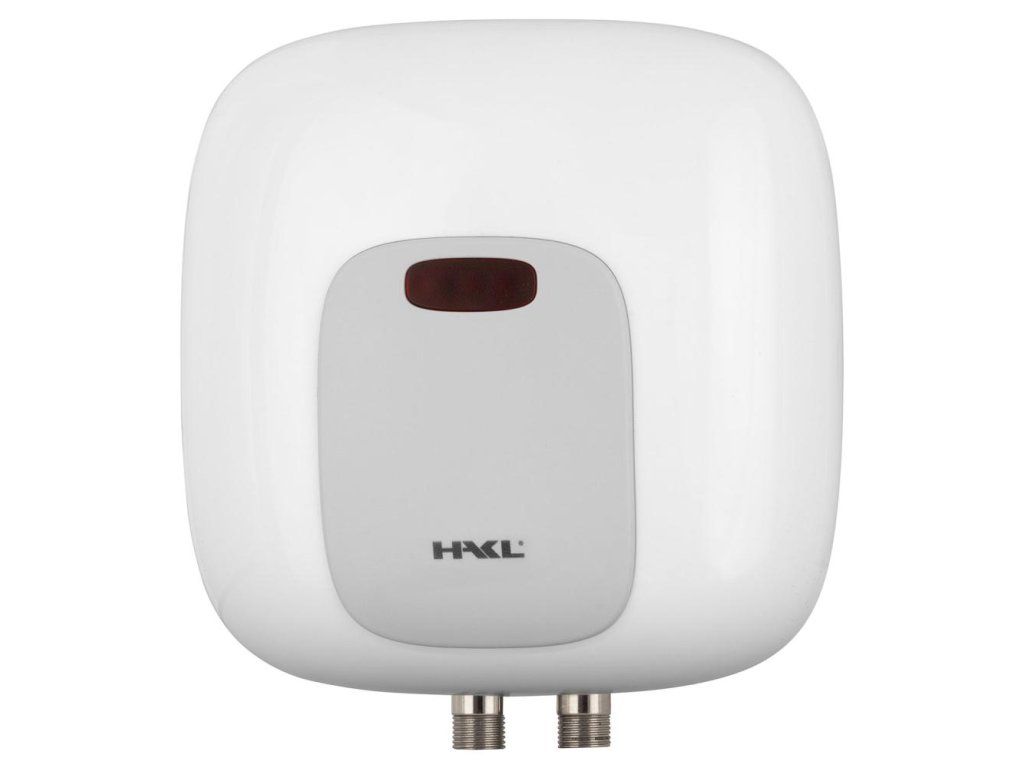 |
HAKL PL 5.5kW water heater - the most powerful variant in this range, suitable where you need faster heating of a larger volume of water alongside an existing floor heating system. Price from EUR 95.94. |
This isn't meant as a compulsory add-on to every resistance cable installation - it's more of a practical observation that if you're already dealing with heat control in one place in your home, it's worth thinking about the whole system at once, not about individual elements in isolation.
How to choose the right thermostat - step by step
When choosing, we recommend following this order:
The first step is always to clearly define the cable's purpose, since the type of sensor needed follows from that. The second step is to check the maximum power draw of the whole circuit and choose a thermostat that can handle it safely (or add a power relay). The third step, for outdoor applications, is to check the degree of protection (IP rating) of both the thermostat and the sensor - outdoor thermostats must be at least IP44, and in an exposed location (for example directly in a gutter) often IP65 or higher. The final step is the installation and setup itself, where for more complex wiring (multiple circuits, an indoor/outdoor combination) we recommend calling in an electrician, especially to get the protection and the residual current device wired correctly.
The most common mistakes when setting up and installing a thermostat
From experience and from product discussions, we know the same mistakes keep coming up:
Incorrect sensor placement. As mentioned above, a sensor near a wall, under furniture, or somewhere without air movement/without exposure to precipitation gives distorted readings, and the thermostat then controls based on incorrect input.
Underestimating the maximum switching current. For larger areas, it's sometimes forgotten that a thermostat has a limit (typically 16 A) and the whole circuit simply doesn't fit within it. The solution is either splitting it into several zones each with its own thermostat, or using a power contactor (relay) that the thermostat only switches on the low-current side.
Setting the maximum floor temperature too high. For sensitive coverings (especially glued vinyl floors), a prolonged high temperature can degrade the adhesive or the covering itself. The recommended limit varies by covering manufacturer, and is usually between 27-29 °C for sensitive materials.
Omitting the residual current device. Especially with DIY installation, the thermostat is sometimes wired directly without a separate residual current device with a 30 mA tripping current, which is a safety risk, especially in damp areas.
Using a simple temperature sensor instead of a humidity sensor for de-icing. As shown in the specific calculation above, this difference can amount to a difference in consumption of thousands of kWh per season for larger areas.
Frequently Asked Questions
Does a thermostat for a resistance cable in a bathroom need a residual current device?
Yes. In damp areas, a separate residual current device with a 30 mA tripping current (often combined with a circuit breaker as a so-called RCBO) is a safety standard, not an optional extra. We recommend having the wiring checked, or carried out directly, by an electrician.
Can one thermostat be used for several rooms at once?
Technically yes, as long as the total power draw of all the connected circuits doesn't exceed the thermostat's maximum switching current. In practice, though, this usually doesn't make sense, since each room has different heat loss and a different required temperature - a separate thermostat per room (or at least per zone with similar conditions) allows more precise and more economical control.
Is there a difference between a thermostat for floor heating and one for de-icing?
Yes, a fundamental one. A thermostat for floor heating works with a temperature sensor (air or floor), and the goal is to maintain a comfortable temperature. A thermostat for de-icing should additionally (or instead) work with a humidity/precipitation sensor, since the goal isn't to maintain a specific temperature, but to prevent ice forming exactly when there's a risk of it - and otherwise to stay off even during frost.
How long does a floor temperature sensor last, and can it be replaced without breaking up the floor?
With correct installation (placing the sensor in a protective sleeve/conduit between the cable loops), the sensor can be pulled out and replaced without touching the floor if it fails. This is exactly why this installation practice is strongly recommended already at the first installation, even though it means slightly more complicated work at the start.
Is it worth investing in a smart/wifi thermostat, or is an ordinary electronic one enough?
It depends on the application. For ordinary floor heating in a single room, the difference between an electronic and a smart thermostat is more about comfort (remote control, scheduling) than a fundamental saving. For de-icing applications, where a smart solution also brings a combination with a humidity sensor, the difference in consumption is considerably larger, as shown above - there the investment usually pays for itself faster.
Can I use a resistance cable thermostat to control a different appliance, for example a water heater?
This isn't recommended. Thermostats for resistance cables are designed and certified for that specific type of load and switching method. Electric water heating (for example instantaneous or storage water heaters) uses its own control supplied by the manufacturer, built directly into the appliance - mixing control across different appliances isn't safe or practically sensible.
Related topics
- How to choose a heating resistance cable
- Resistance cable for floor heating vs. de-icing
- Installing a resistance cable
- Resistance cable for roofs and gutters against ice
You'll find the full range in the main category Resistance cables.
Have a question about this topic?
Can't decide, or dealing with a specific situation in your home? Write to us - we're happy to help.